
Dogs‚ beloved companions‚ possess unique digestive systems rendering them susceptible to various toxic foods; awareness is crucial for responsible pet ownership and safeguarding their well-being.
The Importance of a Dog-Specific Diet
A canine-specific diet is paramount‚ meticulously formulated to meet their distinct nutritional requirements throughout all life stages. Unlike humans‚ dogs process nutrients differently‚ making human food often unsuitable and potentially harmful. Commercial dog foods undergo rigorous testing‚ ensuring balanced vitamin and mineral content.
Prioritizing a dog-specific diet minimizes the risk of nutritional deficiencies or toxicities stemming from inappropriate food choices. Understanding their unique digestive physiology is key to preventing health issues. A tailored diet supports optimal health‚ longevity‚ and a vibrant quality of life for your furry friend.
Why Human Food Can Be Harmful
Human food frequently contains ingredients toxic to dogs‚ like xylitol‚ onions‚ and chocolate‚ causing severe health complications. Our digestive systems differ significantly; dogs struggle to process certain human food components‚ leading to gastrointestinal upset or even organ failure.
Additionally‚ human meals often have excessive salt‚ sugar‚ and fats‚ contributing to obesity and related health problems in dogs. Sharing table scraps can disrupt their balanced diet and create begging behaviors. Prioritizing canine-specific nutrition is vital for their well-being and longevity.

Common Toxic Foods for Dogs
Numerous everyday human foods pose significant risks to canine health‚ ranging from mild discomfort to life-threatening emergencies; vigilance is paramount for pet safety.
Chocolate: A Well-Known Danger
Chocolate consistently ranks as a top toxic threat to dogs‚ due to the presence of theobromine and caffeine‚ substances metabolized much slower by canines than by humans. This slower processing leads to a buildup of these stimulants‚ causing a range of adverse effects. The severity of chocolate poisoning depends on the type of chocolate consumed – darker chocolates and baking chocolate are far more dangerous than milk chocolate – and the size of the dog. Even small amounts can induce vomiting‚ diarrhea‚ and hyperactivity‚ while larger doses can result in seizures‚ irregular heartbeat‚ and even death. Responsible pet ownership necessitates keeping all chocolate products securely out of reach.
Theobromine Toxicity Explained
Theobromine‚ a methylxanthine compound found in cacao beans‚ is the primary culprit behind chocolate’s toxicity to dogs. Unlike humans‚ dogs cannot efficiently metabolize theobromine‚ leading to its accumulation within their systems. This buildup stimulates the central nervous system‚ the cardiovascular system‚ and acts as a diuretic. Symptoms arise from these effects‚ including increased heart rate‚ restlessness‚ tremors‚ and potentially fatal cardiac arrhythmias. The concentration of theobromine varies significantly between chocolate types‚ dictating the level of risk posed to a canine companion.
Different Types of Chocolate & Risk Levels
Chocolate’s toxicity varies dramatically based on its composition. Baker’s chocolate and dark chocolate contain the highest theobromine concentrations‚ posing the greatest danger‚ even in small quantities. Milk chocolate has a lower theobromine level‚ but still presents a risk‚ particularly for smaller dogs. White chocolate contains minimal theobromine and is generally considered less toxic‚ though excessive consumption can still cause gastrointestinal upset. The size of the dog also plays a crucial role; a small breed is more susceptible than a larger one.
Xylitol: A Sweetener to Avoid
Xylitol‚ a sugar alcohol commonly used as a sweetener‚ is exceptionally dangerous for dogs. Even small amounts can cause a rapid release of insulin‚ leading to a life-threatening drop in blood sugar (hypoglycemia). Furthermore‚ xylitol can cause liver failure in dogs‚ often requiring intensive veterinary care. Its increasing presence in numerous products makes vigilance essential for pet owners. Prompt veterinary attention is critical if xylitol ingestion is suspected‚ as rapid intervention significantly improves the chances of survival.
Where Xylitol is Commonly Found
Xylitol’s prevalence extends far beyond diet foods; it’s a hidden danger in many everyday products. Commonly found in sugar-free gum‚ candies‚ baked goods‚ and even some peanut butters‚ its widespread use necessitates careful label reading. Furthermore‚ xylitol is frequently an ingredient in oral hygiene products like toothpaste and mouthwash. Medications‚ nasal sprays‚ and certain vitamins may also contain this toxic sweetener‚ demanding heightened awareness from conscientious pet parents to protect their canine companions.
Effects of Xylitol on Dogs
Xylitol ingestion triggers a rapid insulin release in dogs‚ leading to a dangerous and potentially fatal drop in blood sugar – hypoglycemia. Even small amounts can cause weakness‚ incoordination‚ and seizures. More critically‚ xylitol can induce liver failure‚ often requiring intensive veterinary care. Symptoms typically manifest within 30-60 minutes‚ but can be delayed. Prompt veterinary intervention is paramount‚ as the severity of effects depends on the quantity consumed and the dog’s individual sensitivity.
Grapes and Raisins: A Mysterious Toxicity
Grapes and raisins pose a significant‚ yet poorly understood‚ threat to canine health. The exact toxic principle remains elusive‚ despite extensive research. Even a small quantity can induce acute kidney failure in susceptible dogs. Some dogs exhibit no adverse effects‚ while others suffer severe consequences‚ highlighting individual sensitivity. Symptoms include vomiting‚ diarrhea‚ lethargy‚ and decreased appetite‚ typically appearing within 12-24 hours of ingestion. Immediate veterinary attention is crucial if grape or raisin consumption is suspected.
Why Grapes are Dangerous – Current Research
Current research into grape toxicity in dogs hasn’t pinpointed a definitive cause. Hypotheses include tartaric acid‚ monoterpenes‚ mycotoxins‚ and even pesticide residues‚ but none fully explain the varying sensitivities observed. Studies suggest a dose-dependent reaction‚ but predicting toxicity remains challenging. Breed predisposition isn’t clearly established‚ though some breeds appear more vulnerable. Ongoing investigations focus on identifying the specific compound or combination of factors responsible for the kidney damage seen in affected canines‚ seeking a conclusive answer.
Symptoms of Grape/Raisin Poisoning
Symptoms of grape or raisin poisoning typically manifest within 6-12 hours‚ though some dogs show signs later. Initial indicators include vomiting and diarrhea‚ often followed by lethargy and loss of appetite. As the toxicity progresses‚ dogs may experience abdominal pain‚ dehydration‚ and increased thirst/urination. Severe cases can lead to kidney failure‚ evidenced by decreased urine production and potentially‚ neurological signs like weakness or seizures. Prompt veterinary attention is crucial upon observing any of these symptoms‚ as early intervention significantly improves the prognosis.
Onions and Garlic: Allium Toxicity
Onions‚ garlic‚ leeks‚ chives‚ and shallots – all members of the Allium family – pose a significant threat to dogs. These vegetables contain compounds that damage red blood cells‚ leading to anemia. Toxicity isn’t dose-dependent; even small amounts can be harmful‚ with cumulative effects. Garlic is generally more potent than onions. Symptoms include weakness‚ lethargy‚ pale gums‚ and dark-colored urine. Prompt veterinary care is vital‚ potentially requiring blood transfusions in severe cases to combat the resulting anemia.
How Allium Compounds Affect Dogs
Allium compounds‚ specifically N-propyl disulfide‚ are the culprits behind the toxicity. These compounds cause oxidative damage to red blood cells‚ leading to the formation of Heinz bodies. Heinz bodies impair the cells’ ability to carry oxygen‚ resulting in hemolytic anemia. This damage isn’t immediate; it takes time for symptoms to manifest. The severity depends on the amount ingested and the dog’s individual sensitivity. All forms – raw‚ cooked‚ powdered‚ or dehydrated – are dangerous‚ as the toxic compounds remain potent regardless of preparation.
Forms of Onion/Garlic to Avoid (Raw‚ Cooked‚ Powdered)
Regardless of how onions or garlic are prepared‚ they pose a threat. Raw forms contain the highest concentration of toxic compounds‚ but cooking doesn’t neutralize them. Powdered garlic and onion‚ often found in seasonings and sauces‚ are equally dangerous due to their concentrated nature. Even small amounts in baby food or gravy can be harmful. Be cautious of garlic bread‚ onion soups‚ and any dish seasoned with these alliums. Vigilance is key‚ as even seemingly innocuous ingredients can cause significant harm to your canine companion.
Alcohol: Even Small Amounts are Harmful
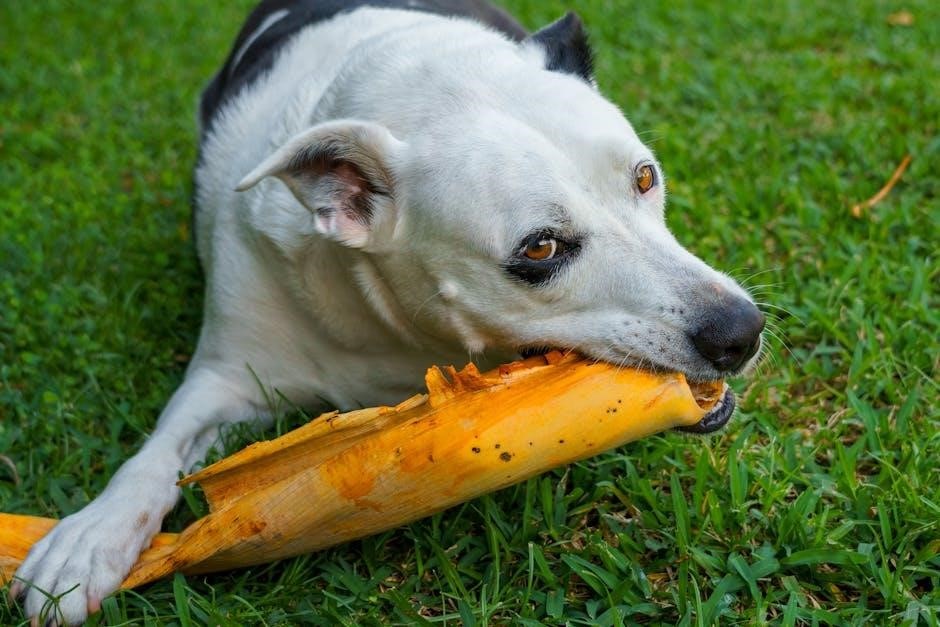
Alcohol is profoundly toxic to dogs‚ even in minuscule quantities. A dog’s liver cannot process alcohol efficiently‚ leading to rapid intoxication and potentially fatal consequences. Ingestion can cause central nervous system depression‚ resulting in incoordination‚ difficulty breathing‚ abnormal heart rate‚ and even coma. Accidental ingestion often occurs from spilled drinks or unattended alcoholic beverages. Immediate veterinary attention is crucial if you suspect your dog has consumed alcohol‚ as prompt treatment significantly improves their chances of recovery.
Effects of Alcohol on a Dog’s System
Alcohol profoundly impacts a dog’s system‚ disrupting crucial bodily functions. It depresses the central nervous system‚ causing lethargy‚ loss of coordination‚ and potentially coma. Respiratory rates can slow dangerously‚ and body temperature may plummet‚ leading to hypothermia. Alcohol also irritates the gastrointestinal tract‚ inducing vomiting and diarrhea. Furthermore‚ it causes metabolic disturbances‚ affecting blood sugar levels and potentially leading to seizures. The severity depends on the amount ingested and the dog’s size‚ but any amount warrants immediate veterinary care.
Accidental Ingestion & What to Do
Accidental ingestion of alcohol requires swift action. If you suspect your dog consumed alcohol‚ immediately contact your veterinarian or an animal poison control center. Do not induce vomiting unless specifically directed by a professional‚ as this can cause further complications. Provide details about the type and amount of alcohol ingested‚ if known. Transport your dog to the vet promptly for supportive care‚ which may include intravenous fluids‚ monitoring‚ and medications to manage symptoms. Early intervention is critical for a positive outcome.
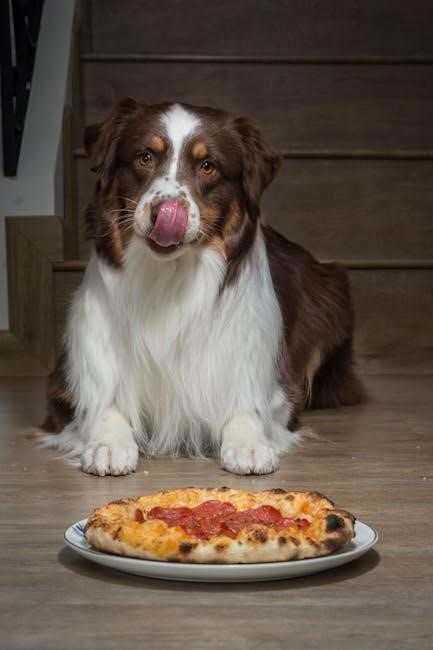
Foods to Exercise Caution With
Certain foods‚ while not acutely toxic‚ necessitate caution due to potential digestive upset or milder reactions; careful monitoring and moderation are essential for canine health.
Avocado: Persin Toxicity Concerns
Avocados contain persin‚ a fungicidal toxin‚ though its impact on dogs is variable and often mild; the pit‚ skin‚ and leaves harbor higher concentrations of this compound. Severity of reaction differs significantly based on individual dog sensitivity and the amount ingested. While not typically fatal‚ persin can cause vomiting and diarrhea in canines.
The flesh itself presents a lower risk‚ but moderation is still advised due to its high-fat content‚ potentially leading to pancreatitis. Owners should avoid offering avocados to their pets‚ prioritizing safety over potential benefits. Always consult a veterinarian if ingestion occurs‚ noting the quantity and part of the avocado consumed.
The Role of Persin in Avocado Toxicity
Persin‚ a toxin found within avocado plants‚ is the primary concern regarding canine health; it’s a fungicidal toxin affecting various animals differently. Dogs exhibit lower sensitivity to persin compared to birds or livestock‚ explaining the often-mild reactions observed. However‚ persin disrupts gastrointestinal function‚ potentially causing vomiting and diarrhea.
Concentrations are highest in the avocado’s pit‚ skin‚ and leaves‚ making these parts particularly dangerous. The fleshy pulp contains less persin‚ but its high-fat content still poses a risk of pancreatitis. Understanding persin’s role is vital for informed pet ownership and preventative measures.
Severity of Reaction Varies by Dog
Avocado toxicity’s impact on dogs isn’t uniform; individual sensitivity plays a significant role. Factors like breed‚ size‚ and overall health influence the severity of symptoms. Smaller dogs are generally more susceptible due to lower body weight and concentrated toxin exposure. Pre-existing conditions‚ particularly heart problems‚ can exacerbate adverse effects.
Some dogs may exhibit mild gastrointestinal upset‚ while others experience more pronounced reactions. Vigilant monitoring after potential ingestion is crucial‚ and prompt veterinary attention is recommended if any concerning signs appear.
Macadamia Nuts: Unknown Toxic Principle
Macadamia nuts pose a peculiar threat to dogs‚ as the exact toxic component remains unidentified despite extensive research. While not typically fatal‚ ingestion can induce a range of unpleasant symptoms within 12-48 hours. These commonly include weakness‚ tremors‚ vomiting‚ and elevated body temperature. Lethargy and depression are also frequently observed in affected canines.
The severity varies‚ but prompt veterinary care is essential to manage symptoms and provide supportive treatment. Prevention is key‚ as the mystery surrounding the toxin necessitates avoiding macadamia nuts altogether.
Symptoms of Macadamia Nut Poisoning
Macadamia nut poisoning in dogs typically manifests within 12 to 48 hours post-ingestion. Common symptoms include pronounced weakness‚ often affecting the hind limbs‚ leading to difficulty standing or walking. Tremors and muscle shaking are frequently observed‚ alongside vomiting and an elevated body temperature – sometimes reaching dangerously high levels.
Lethargy‚ depression‚ and an overall lack of coordination are also indicative signs. In severe cases‚ abdominal pain may be present. Immediate veterinary attention is crucial for supportive care and symptom management.
Severity and Treatment Options
Macadamia nut toxicity’s severity varies greatly; some dogs experience mild symptoms resolving within 24-48 hours‚ while others develop more severe complications requiring intensive care. Treatment primarily focuses on supportive care‚ including intravenous fluids to prevent dehydration and manage hyperthermia.
Activated charcoal may be administered to absorb remaining toxins‚ though its effectiveness is debated. Muscle relaxants and anti-tremor medications can help alleviate neurological symptoms. Monitoring vital signs and providing a quiet‚ comfortable environment are essential for recovery.
Raw Dough: A Rising Hazard
Raw yeast dough poses a significant threat to dogs due to its expansion within the gastrointestinal tract‚ causing severe bloating and potentially life-threatening gastric dilatation-volvulus (GDV). Furthermore‚ fermenting yeast produces ethanol‚ leading to alcohol poisoning.
Symptoms include abdominal pain‚ distension‚ vomiting‚ and disorientation. Immediate veterinary attention is crucial; treatment may involve inducing vomiting‚ gastric decompression‚ and supportive care to manage alcohol toxicity and prevent shock.
Why Raw Dough is Dangerous (Expansion & Alcohol Production)
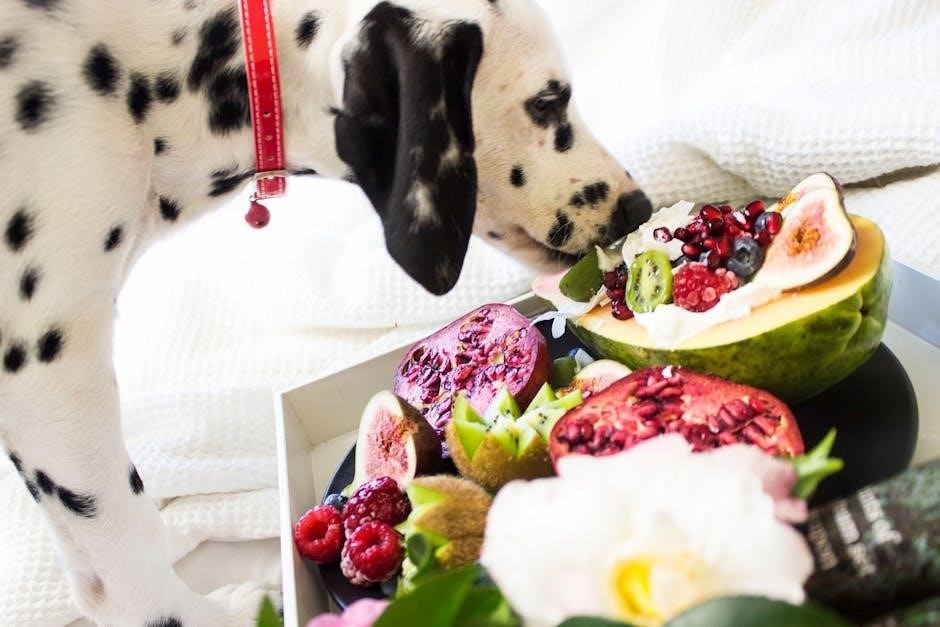
Raw dough’s danger stems from two primary factors: physical expansion and alcohol production. The warm‚ moist environment of a dog’s stomach fuels yeast fermentation‚ causing the dough to rise and distend the stomach. This can cut off blood supply and even cause a life-threatening twist – GDV.
Simultaneously‚ fermentation converts sugars into ethanol‚ resulting in alcohol poisoning; Even a small amount of ingested dough can produce significant levels of ethanol‚ impacting a dog’s nervous system.
Symptoms of Raw Dough Ingestion
Symptoms of raw dough ingestion vary depending on the amount consumed‚ but commonly include bloating‚ abdominal pain‚ and excessive gas. Lethargy‚ vomiting‚ and disorientation may also occur due to the expanding dough and alcohol production. In severe cases‚ dogs can exhibit difficulty breathing‚ tremors‚ and even collapse.
If you suspect your dog has eaten raw dough‚ immediate veterinary attention is crucial. Prompt treatment can prevent serious complications and potentially save their life‚ especially if GDV is suspected.

Holiday-Specific Dangers
Holiday feasts present unique risks; tempting treats and festive foods often contain ingredients toxic to dogs‚ demanding heightened vigilance from pet owners.
Thanksgiving Foods: A Minefield for Dogs
Thanksgiving presents a significant challenge for dog owners‚ as many traditional dishes pose serious health risks. Turkey skin and cooked bones are particularly dangerous‚ potentially causing digestive upset or even life-threatening obstructions. Stuffing and gravy often contain onions‚ garlic‚ and other toxic ingredients.
Furthermore‚ the rich‚ fatty nature of Thanksgiving meals can trigger pancreatitis in susceptible dogs. Be mindful of dropped food and secure all trash containers. A proactive approach‚ keeping dogs separated during meal preparation and dining‚ is essential for a safe and happy holiday for your furry friend.
Turkey Skin & Bones – Risks Involved
Turkey skin‚ while tempting to dogs‚ is incredibly high in fat and can induce pancreatitis‚ a painful and potentially fatal inflammation of the pancreas. Cooked bones‚ especially turkey bones‚ become brittle and splinter easily when chewed‚ posing a severe choking hazard or causing internal damage to the digestive tract.
These splinters can puncture the esophagus‚ stomach‚ or intestines‚ necessitating emergency veterinary intervention. Never allow your dog access to leftover turkey carcasses or bones; safe prevention is paramount during Thanksgiving festivities.
Stuffing & Gravy – Hidden Dangers
Stuffing frequently contains ingredients toxic to dogs‚ such as onions‚ garlic‚ raisins‚ and certain herbs. These components can cause gastrointestinal upset‚ anemia‚ or even organ damage. Gravy‚ often rich in fat and seasoned with potentially harmful spices‚ can trigger pancreatitis and digestive distress in sensitive canines.
Furthermore‚ the high salt content in both stuffing and gravy can lead to sodium ion poisoning‚ causing vomiting‚ diarrhea‚ and potentially neurological issues. Keep these Thanksgiving staples well out of your dog’s reach.
Christmas Foods: Festive but Potentially Toxic
Christmas celebrations abound with tempting treats‚ many of which pose significant risks to canine health. Chocolate decorations and festive sweets are a primary concern‚ due to theobromine toxicity. Fruitcake‚ laden with raisins‚ nuts‚ and alcohol‚ presents a multi-faceted danger; Macadamia nuts‚ often found in holiday baking‚ can cause weakness and tremors.
Even seemingly harmless ingredients like nutmeg‚ commonly used in seasonal recipes‚ can be toxic to dogs. Vigilance and secure food storage are paramount during the holidays.
Chocolate Decorations & Treats
Chocolate‚ a beloved human indulgence‚ is notoriously toxic to dogs. Theobromine‚ a methylxanthine found in cocoa‚ is the primary culprit‚ causing a range of symptoms from vomiting and diarrhea to seizures and even death. Dark chocolate and baking chocolate pose the greatest risk due to higher theobromine concentrations.
Festive chocolate decorations‚ often readily accessible during the holidays‚ amplify the danger. Even small amounts can be harmful‚ depending on the dog’s size and the chocolate type. Immediate veterinary attention is crucial if ingestion occurs.
Fruitcake Ingredients to Avoid
Fruitcake‚ a holiday staple‚ harbors several ingredients dangerous to dogs. Raisins and grapes‚ commonly found within‚ are known to cause kidney failure‚ even in small quantities – the exact toxic mechanism remains elusive. Additionally‚ many fruitcakes contain macadamia nuts‚ inducing weakness‚ tremors‚ and hyperthermia;
Furthermore‚ the presence of alcohol (brandy or rum) and chocolate further elevates the risk. The high sugar content also isn’t beneficial. Vigilance is key; keep fruitcake securely out of your dog’s reach during festive celebrations.

Preventative Measures & Resources
Proactive food safety‚ diligent label reading‚ and secure storage are vital; readily available veterinary resources offer crucial support in potential poisoning emergencies.
Reading Food Labels Carefully
Diligent scrutiny of food labels is paramount in protecting your canine companion. Many seemingly harmless human foods contain hidden ingredients toxic to dogs‚ such as xylitol‚ a common sweetener found in sugar-free products. Always examine ingredient lists thoroughly‚ even on items you frequently consume. Be particularly cautious with baked goods‚ candies‚ and processed snacks. Understanding ingredient terminology can also be beneficial; for instance‚ knowing that “onion powder” or “garlic salt” pose the same risks as fresh onions and garlic is essential. Prioritize transparency and choose products with clearly defined ingredient lists to ensure your dog’s safety.
Secure Food Storage Practices
Implementing robust food storage practices is vital to prevent accidental ingestion of toxic substances by your dog. Store all potentially harmful foods – including chocolate‚ xylitol-containing products‚ and grapes – in securely sealed containers‚ preferably out of your dog’s reach. Utilize high cabinets or locked pantries to ensure accessibility is restricted. Regularly inspect storage areas for spills or leaks‚ promptly cleaning up any residue. Educate all household members about proper storage protocols‚ reinforcing the importance of keeping dangerous items inaccessible to your furry friend‚ safeguarding their health.
Emergency Contact Information & Veterinary Resources
In the unfortunate event of suspected toxic ingestion‚ swift action is paramount. Keep your veterinarian’s contact information readily available‚ alongside the ASPCA Animal Poison Control Center (888-426-4435) and the Pet Poison Helpline (855-764-7661). Note that consultation fees may apply for poison control services. Familiarize yourself with the location of your nearest emergency veterinary clinic for after-hours care. Promptly contacting these resources can significantly improve your dog’s prognosis‚ ensuring they receive timely and appropriate medical attention.
ASPCA Animal Poison Control Center
The ASPCA Animal Poison Control Center (APCC) is a vital resource‚ staffed by veterinary toxicologists providing 24/7 assistance. Reaching them at 888-426-4435‚ owners can receive expert guidance regarding potential toxins ingested by their pets. A consultation fee typically applies‚ supporting their extensive database and research. The APCC doesn’t replace veterinary care‚ but offers crucial initial advice‚ helping determine the severity of the situation and guiding next steps for your dog’s health.
Pet Poison Helpline
The Pet Poison Helpline‚ available 24/7 at 855-764-7661‚ offers another critical resource for pet owners facing potential poisoning emergencies. Similar to the ASPCA APCC‚ it connects you with veterinary toxicology experts. A per-incident consultation fee is standard‚ funding their comprehensive services and database. They provide immediate advice‚ assessing the risk level and recommending appropriate action‚ though veterinary attention remains paramount for effective treatment and recovery of your canine companion.

Creating a Safe Food Environment for Your Dog
Proactive measures‚ like kitchen dog-proofing and educating all family members about dangerous foods‚ are essential for preventing accidental ingestion and ensuring canine safety.
Dog-Proofing Your Kitchen
Establishing a secure kitchen environment is paramount for your dog’s safety. Begin by storing all potentially toxic foods – including chocolate‚ grapes‚ onions‚ and xylitol-containing products – in tightly sealed containers and out of reach‚ preferably in cupboards with childproof latches.

Regularly sweep floors and wipe counters to eliminate dropped food particles. Secure garbage cans with lids and consider using cabinets or drawers to conceal appliances when not in use.
Educate visitors about the importance of not feeding your dog table scraps without your explicit permission‚ reinforcing a consistently safe culinary space.
Educating Family Members About Toxic Foods
Consistent communication with all family members – including children‚ houseguests‚ and even frequent visitors – is vital for preventing accidental poisoning. Clearly outline a list of foods absolutely forbidden for your dog‚ emphasizing the potential severity of even small ingestions.
Share readily available resources‚ like online lists of toxic foods‚ and explain the reasoning behind these restrictions.
Establish a firm rule against offering any food to the dog without prior approval‚ fostering a unified approach to canine dietary safety within the household.